On 8 June each year, World Ocean Day unites and rallies the world to protect and restore the oceans. By supporting collaborative conservation efforts, through working with its global network of youth and organisation leaders in over 140 countries, WOD works to protect our blue planet for a healthy ocean and climate.
"The Ocean: Life and Livelihoods" is the theme for World Oceans Day 2021, as well as a declaration of intentions that launches a decade of challenges to achieve the Sustainable Development Goal 14, "Conserve and sustainably use the oceans, seas and marine resources", by 2030.
The ocean covers over 70% of the planet and produces over 50% of the oxygen we all need to live. It is our life source, supporting all of us and every other organism on earth, but the ocean needs our support.
"With 90% of big fish populations depleted, and 50% of coral reefs destroyed, we are taking more from the ocean than can be replenished. To protect and preserve the ocean and all it sustains, we must create a new balance, rooted in true understanding of the ocean and how humanity relates to it. We must build a connection to the ocean that is inclusive, innovative, and informed by lessons from the past." says the UN.
World Ocean Day supports the global movement to protect at least 30% of our blue planet by 2030 (the 30x30 plan). A healthy ocean is part of the critical solution to our climate crisis. By supporting the 30x30 plan, we can protect our planet's life support systems.
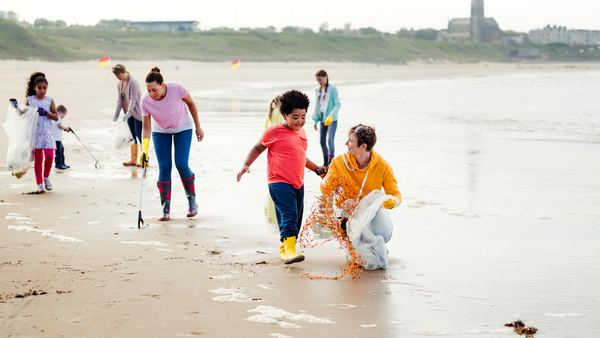
Here's what you can do for World Ocean Day if you can't get to a beach clean up or litter pick-up.
1. Sign Petitions
1. 30x30
Signing a petition is a great way to make a difference and have your voice be heard.
World Ocean Day is running a 30x30 petition, an opportunity to get governments worldwide to agree to protect at least 30% of the planet's land and ocean by 2030 and preserve intact ecosystems and wilderness at the Convention on Biodiversity Summit.
Top scientists say we need half of the planet in its natural state to prevent the extinction of one million species, stay below 1.5°C, and safeguard all people that rely on nature to survive and thrive. We can start by protecting 30% by 2030. But it is not enough to just have scientists call for it. We need people to come together from all over the planet and call for urgent action.
2. Make 30% of UK waters 'No-Take Zones' by 2030
Our seas are dying, there's no other way to say it. We need you to join our crew so we can turn the tide on this destruction. We are asking world leaders to establish and enforce the protection of at least 30% of our oceans from industrial fishing by the year 2030.
We must take action now. Sign the petition today.
3. Surfers Against Sewage
Surfers Against Sewage also runs a petition for the UK government to ensure the ocean is at the centre. They are calling for:
Ocean rewilding and blue carbon habitat restoration
We want to see increased investment, and associated targets, in ocean rewilding to allow blue carbon habitats to thrive and actively remove carbon dioxide from the atmosphere in order to achieve negative carbon emissions.
Implementation of Highly Protected Marine Areas (HPMAs)
We want to see the implementation of HPMAs to fully protect marine species from human disruption and to allow ecosystems to recover. We need marine areas where deep-sea mining is banned, commercial fishing is prevented, oil and gas exploration is ceased and pollution inputs are tightly regulated.
Recognition of the importance of marine ecosystems for human well being
We want governments to acknowledge the pivotal role the ocean plays in sustaining economies and societal well-being and to ensure the protection of coastal communities against the climatic changes we can no longer prevent, such as sea-level rise and flooding.
Sign the Surfers Against Sewage petition now.
2. Join A World Ocean Day Event
World Ocean Day provides a unique opportunity for organisations to get involved in their own ways, to honour and celebrate the shared ocean that connects us all. There is a wide variety of online and offline events to get involved with each year.
From fundraisers and raffles to webinars and live streams, you can find tons of events to attend on the World Ocean Day website. These were some of our favourites in 2021, to give you a flavour of what tends to be on offer:
Let's Rise Festival
A curated day of insightful and informative talks covering the science behind tipping points, the world's first Green Pensions Charter, material innovation, sustainable marketing, what we can learn from Indigenous communities, youth climate action, and much more.
Sea7 Ocean Activist Camp
As global leaders attended the G7 summit in Cornwall, Finisterre hosted Sea7, streamed from their clifftop workshop in St Agnes. Leading thinkers, scientists and activists debated the seven key issues affecting the health of our seas, from climate change and plastic pollution to ocean recovery, alongside a series of online activist workshops.
The Ocean Agency: virtual dive into the water
Over 99% of people have never been scuba diving, and probably never will. This is a huge issue for ocean conservation. The ocean is a whole other world that most people don't know or understand. Their big idea was to take Google Street View underwater. More people went virtual diving in the first week of its launch than have ever been diving in person. Dive under the ocean and have a swim around today.
World Ocean Day Challenge
Take part in the World Ocean Day challenge and help collect money for charity to protect our ocean environments and our blue planet. To join, participate in your water sport of choice, whether it's windsurfing, stand up paddle boarding, kitesurfing, kayaking, rowing, swimming, or more. You complete a certain distance, recorded via an app.
Paddle-out protests
Grab your surfboards, kayaks, SUPs, swimming caps, snorkels and placards and join a protest on the water. It's a way to send a message to world leaders: we are facing an ocean and climate emergency and drastic action needs to happen now.
3. Make Lifestyle Changes
Whether you live on the coast or far inland, we all need a healthy ocean to survive and thrive. The sea generates most of the oxygen we breathe, helps feed us, cleans the water we drink and regulates our climate. And by protecting our ocean, we also protect our environment and our future.
By making a few lifestyle changes, you can diminish the damage to our blue planet.
Reduce Your Fish Consumption (but we really mean just try to stop completely)
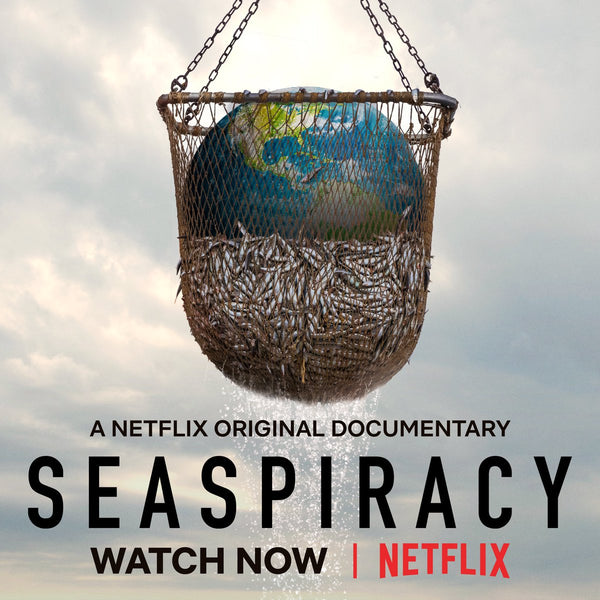
If you've seen Seaspiracy (if not, check out our blog all about it), then you know there's a massive debate on the reality of sustainable seafood. The first problem is that we can't know whether fish are caught 'illegally' or 'sustainably'. Sea Shepherd's captain believes sustainable fishing can't exist because there aren't enough fish to do so.
As it seems pretty impossible to farm fish sustainably, many organisations say stop eating fish altogether, which we strongly agree with. However, if you don't feel able to cut fish out completely, then reducing your fish consumption will positively affect our blue planet.
Don't Purchase Items That Exploit Marine Life
Apart from the obvious seafood, many beauty products harm our fragile coral reefs and marine populations. Avoid items such as tortoiseshell hair accessories (made from hawksbill turtles), coral jewellery, and beauty products containing squalene, which is often derived from sharks.
If you're a pet owner, ensure you read food labels carefully and consider seafood sustainability when choosing a diet for your pet. Overfishing is not only damaging our coral reefs; we are deforesting our oceans through our removal of fish.
Trawling, where a giant net is attached to the back of a boat and they collect fish as it moves across the ocean, drags a heavyweight at the bottom, scarring the seafloor that was once abundant with life, leaving nothing but a barren wasteland behind.
Do Everything You Can To Ditch Single-use Plastic Products
Plastics that make their way into our seas are a plight on ocean life; they contribute to habitat destruction and entangle and kill thousands of marine animals each year. In addition, many household single-use plastics like water bottles and packaging can take up to thousands of years to decompose.
All ocean life is affected by plastics, but birds are highly susceptible to plastic ingestion. It has been estimated that over 90% of all seabirds have ingested plastic. It's not only sea life that is ingesting plastic, though: microplastics have also been identified in commercial fish consumed by humans, with a few horror stories of people finding a piece of plastic in their fish and chips.
As we cannot stop plastic from entering the ocean, it's essential to reduce your plastic consumption and swap for a more sustainable alternative.
Say NO To Aquariums
Thanks to documentaries like Blackfish, we are becoming aware of the behaviour places like SeaWorld have shown towards their captive marine mammals. The documentary concerns the captivity of Tilikum, an orca involved in the deaths of three people, and the consequences of keeping orcas in captivity, from his capture in 1983 off the coast of Iceland to his purported harassment by fellow captive orcas at Sealand of the Pacific.
We can vote with our money, choose eco-friendly resorts wherever possible, and discourage attractions such as SeaWorld to change their business model by refusing to spend money to see animals in captivity.
Final Thoughts
Whether you live by the sea or not, all life on earth is connected to our oceans. So we all have a part to play in ensuring the issues facing our vital support system are resolved. The more you learn about our blue planet, the more you'll be inspired to ensure its health.
And if you want to go the extra mile, you can read our blog post on plant-based YouTube channels to watch. Whether you're already on a plant-based diet or looking to convert to one, we've got you covered.
If you're looking for ocean-friendly and ethical supplements, or know people who use supplements, then check out our range at omvits.com. Our mission is to protect the health of people and our planet.