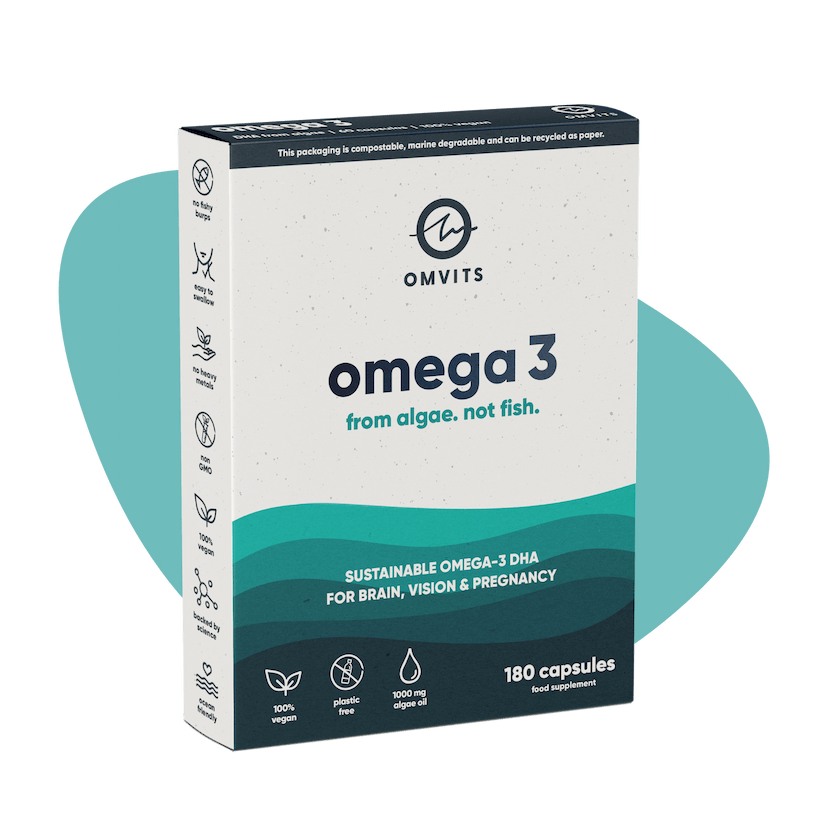





























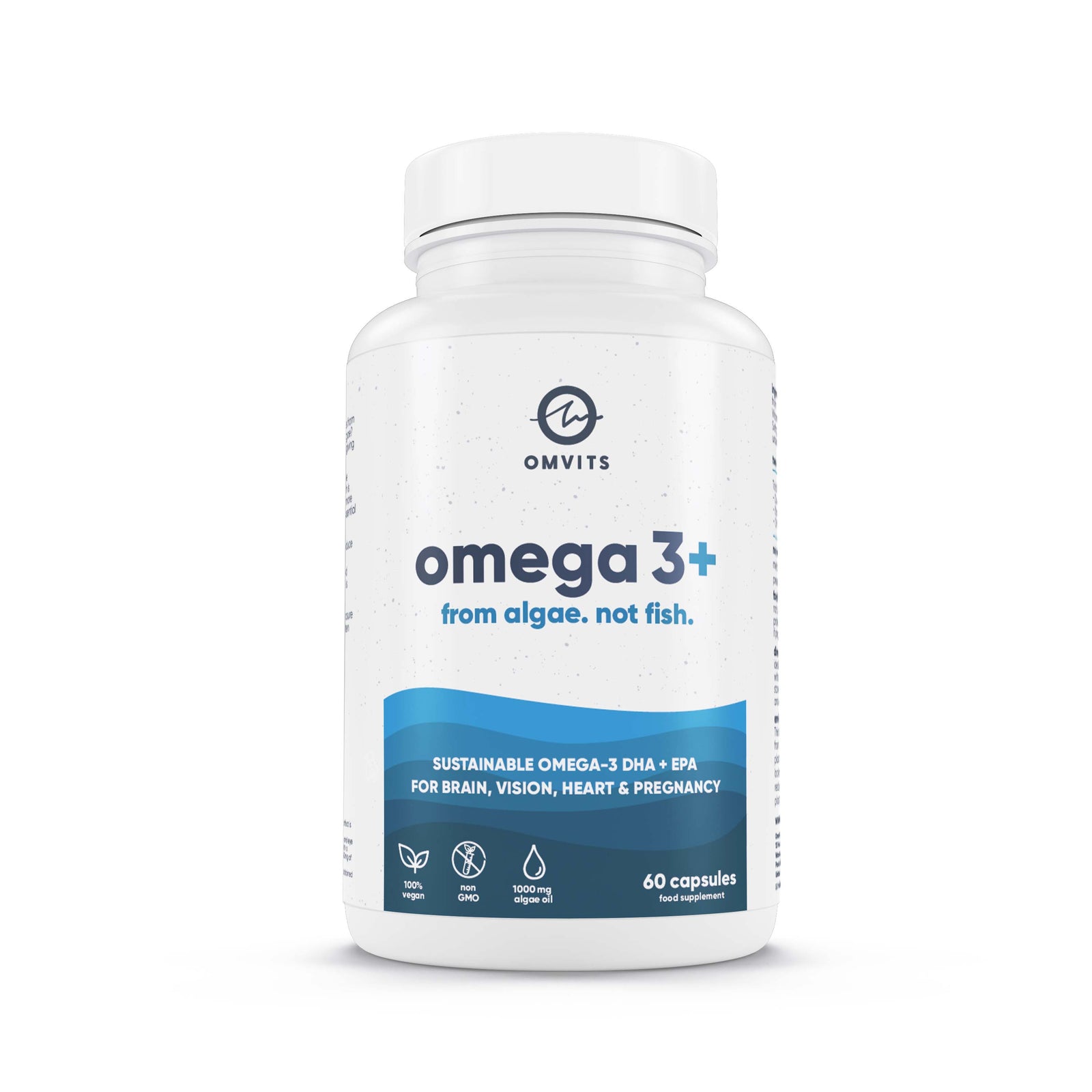

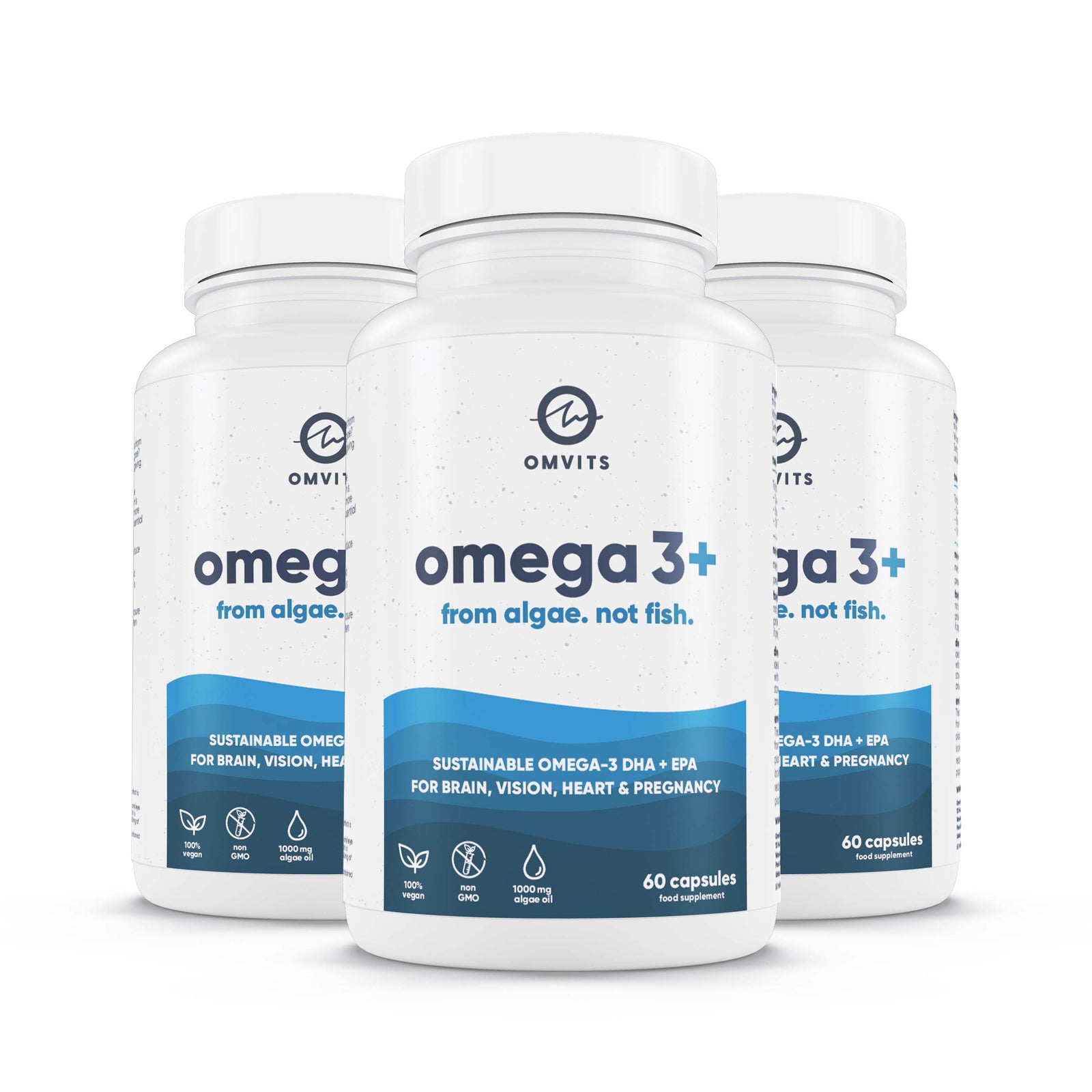

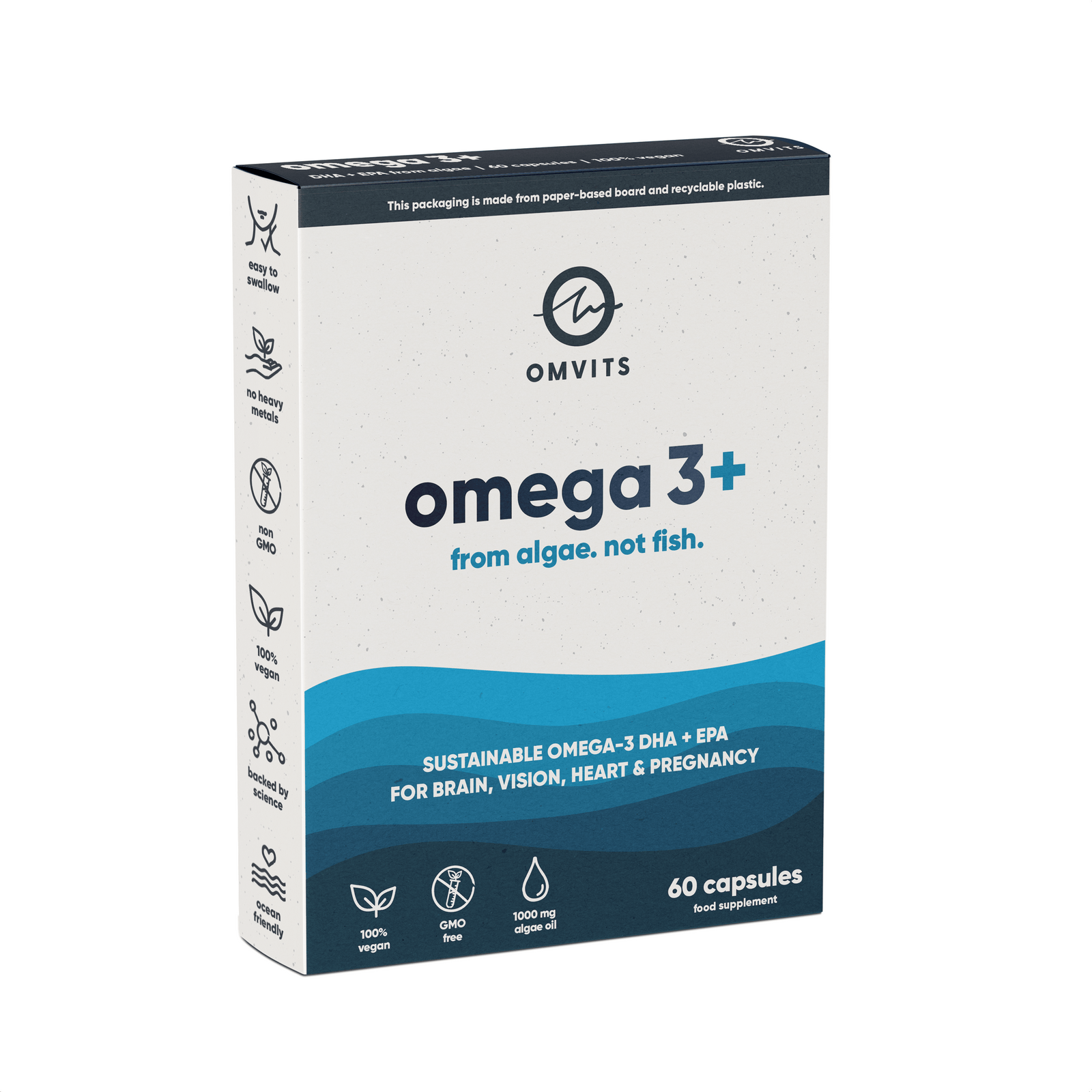

Vegan Omega 3 DHA+EPA - Algae Oil Capsules
...
.........

Free UK Delivery £25+

100-day Guarantee

Earn Rewards Points
product details
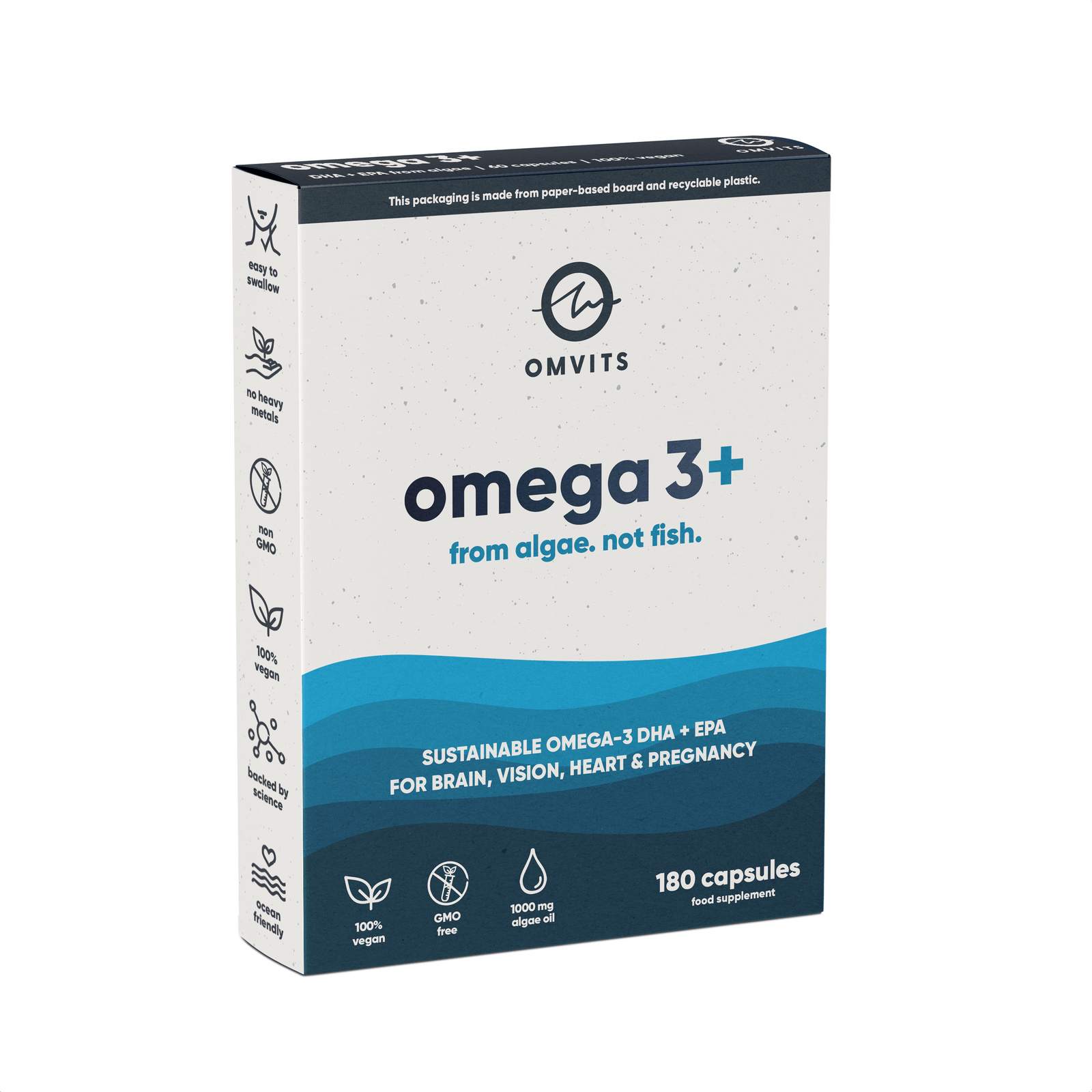
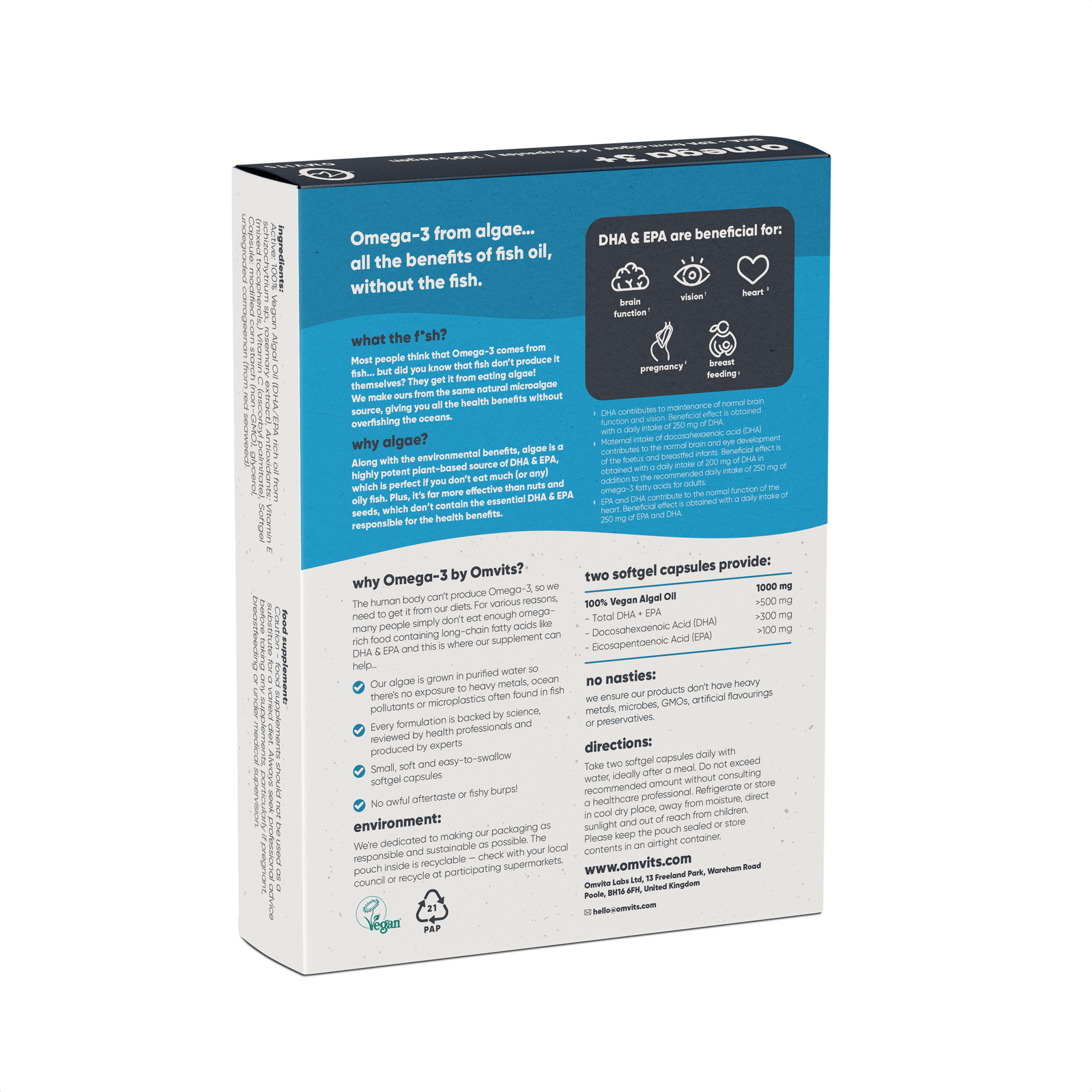
- 250mg DHA+EPA per capsule — 500mg per daily 2-capsule dose
- 100% algae-sourced DHA & EPA (the omega-3s fish get from the sea)
- Available as 60 capsules (1 month) or 180 capsules (3-month / 90-day supply)
- Suitable for adults, and during pregnancy & breastfeeding
- Vegan Society registered · non-GMO · free from heavy metals
ingredients
directions
health benefits
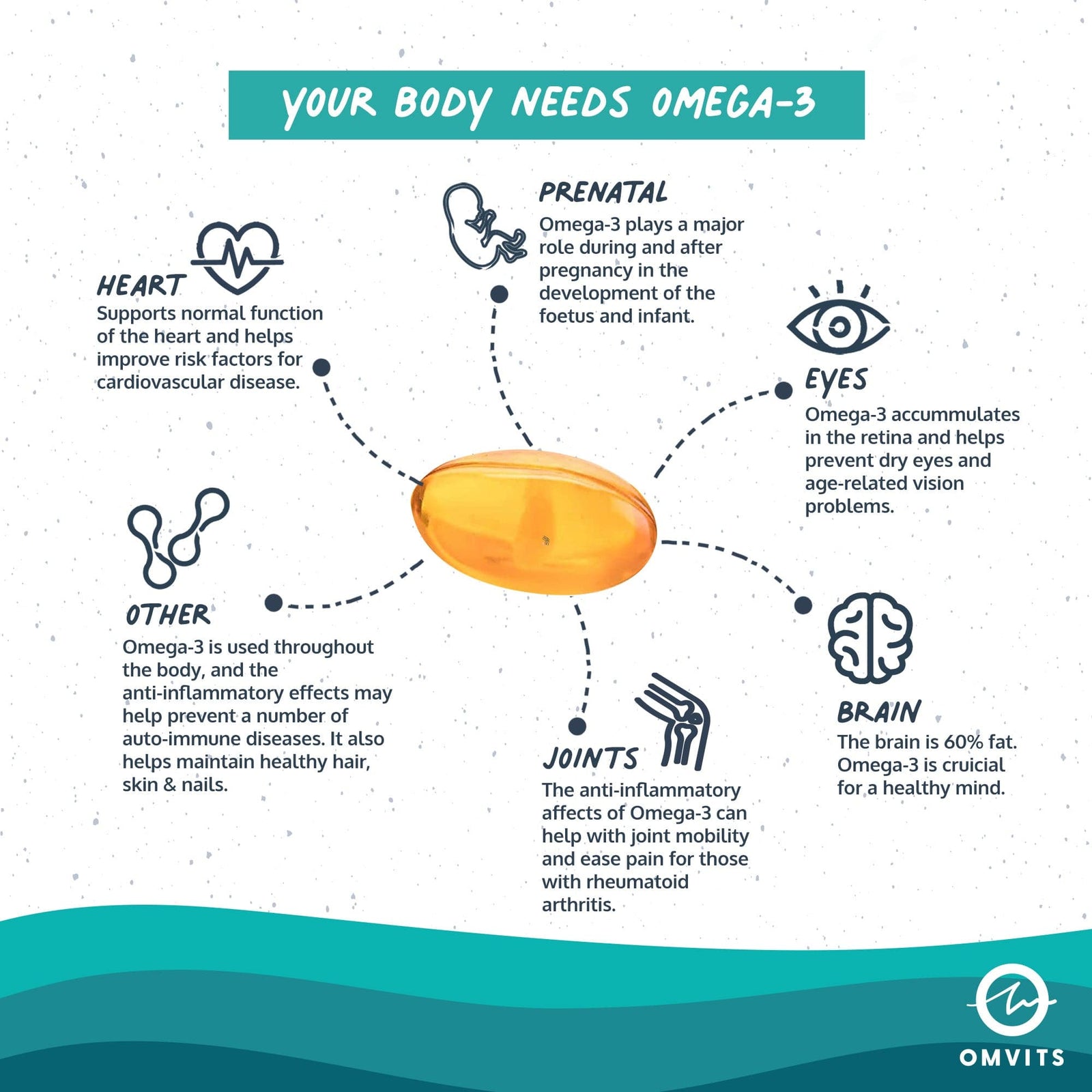
DHA and EPA work across your whole body, from brain and eyes to heart and beyond. Tap an area to explore.

brain health
DHA makes up 97% of the Omega-3 in the brain and can help to ...
- Support normal brain function*
- Fight the symptoms of depression and anxiety
- Boost memory and concentration
- Boost general mood
- Fight age-related mental decline and Alzheimer’s disease
* beneficial effect is obtained with a daily intake of 250 mg of DHA

eye health
DHA makes up 93% of the Omega-3 in the retina and helps to...
- Support healthy eyes and vision*
- Prevent age-related vision problems such as macular degeneration and cataracts
- Prevent dry eyes and redness
* beneficial effect is obtained with a daily intake of 250 mg of DHA

heart health
Omega-3 can improve risk factors for cardiovascular disease by helping to...
- Support normal function of the heart**
- Reduce chronic inflammation
- Prevent irregular heartbeat
- Reduce blood triglycerides
- Reduce blood pressure
** beneficial effect is obtained with a daily intake of 250 mg of DHA/EPA

pre & post natal
DHA plays a major role during pregnancy and has been linked to ...
- Normal development of brain and eyes†
- Increased child intelligence
- Better social skills
- Fewer behavioural problems
- Reduced risk of developmental issues such as ADHD
- Reduced risk of auto-immune diseases such as type-1 diabetes
- Reduced risk of early delivery
- Prevention of postpartum depression
† beneficial effect is obtained with a daily intake of 200 mg of DHA in addition to normal daily adult intake of 250 mg of omega-3

bones & joints
Omega-3 can improve bone and joint health by helping to ...
- Reduce symptoms of rheumatoid arthritis
- Reduce risk of osteoporosis
- Improve joint mobility
- Reduce blood triglycerides
- Ease joint pain and stiffness

other potential benefits
Omega-3 may offer many other health benefits including ...
- Healthy hair, skin and nails
- Helping to balance the negative effects of too much Omega-6 in modern diets
- Helping to improve length and quality of sleep in children and adults
- Contributing to the maintenance of healthy skin and preventing premature ageing
- Contributing to a strong nervous system
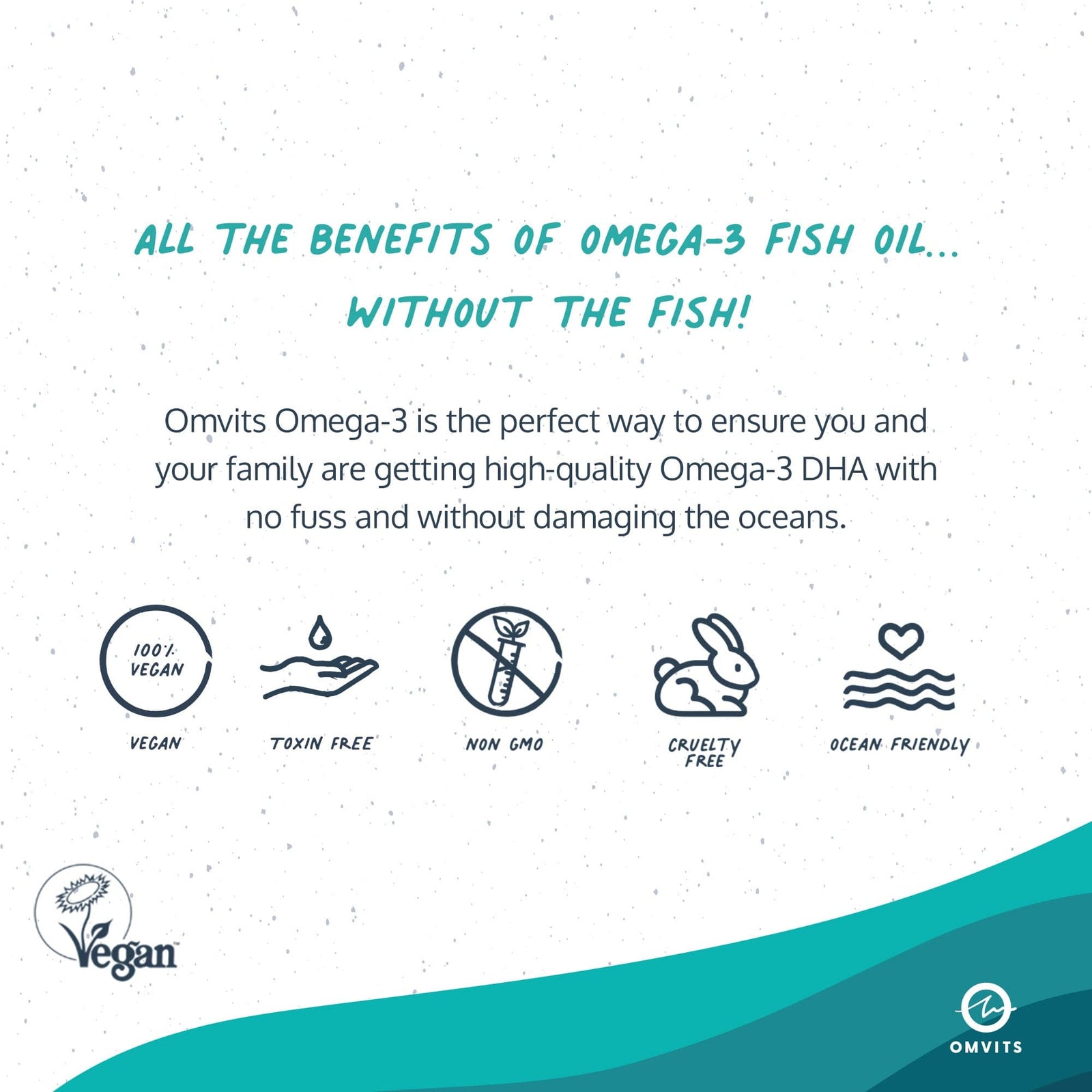
Fish-free Omega-3. Zero Ocean damage.
![]()
![]()
![]()
![]() algae oil vs. fish oil
algae oil vs. fish oil
Omega-3 from algae

Suitable for everyone - vegan or not

No fishy burps or aftertaste

Sustainable & ocean friendly

Heavy metal and contaminant free
algae oil vs fish oil vs flaxseed oil
| fish oil | flaxseed oil | algae oil | |
|---|---|---|---|
| Source of Omega-3 DHA & EPA | |||
| Suitable for vegetarians and vegans | |||
| No fishy burps or aftertaste | |||
| Contaminant and toxin free | |||
| Heavy metal free | |||
| Sustainable & environmentally-friendly | |||
| Suitable for pregnant women |


Over 25% of the world's fish catch is used to produce omega-3
learn more
The world's oceans can't keep up with the demand for cheap omega-3.
Every year, an estimated 300,000 whales, dolphins, and porpoises are caught as bycatch in fishing nets. Over 25% of the world's entire fish catch goes toward producing omega-3.
frequently asked questions
-
Plenty of our customers aren't vegan. If you care about where your fish oil comes from, algae is worth considering regardless of diet.
The commercial fishing industry takes a significant toll on ocean health, and the global demand for omega-3 is only growing. Algae is farmed rather than fished, so it doesn't have that problem.
Whether you're vegetarian, vegan, or neither, the case for algae is the same.
-
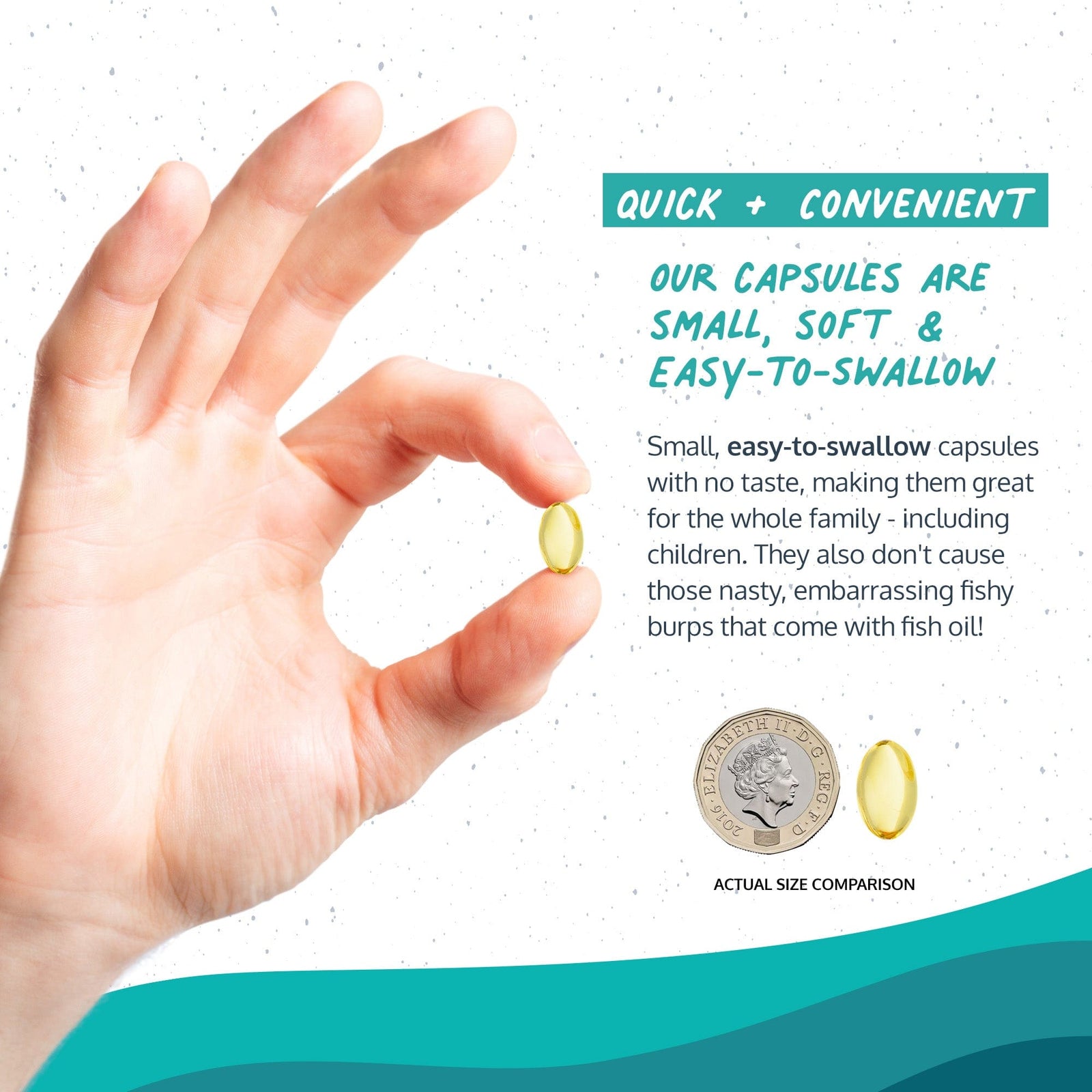
Our Omega-3 softgels capsules should be swallowed whole with water and after a meal (ideally your fattiest meal of the day).
You can also pierce the capsules and squeeze the oil out if administering to young children.
-
No this does not contain Omega-6. Although Omega-6 is an important fatty acid, the modern diet is very rich in Omega-6. In fact, most people consume far too much, to the point that it is affecting our health.
The ideal ratio of Omega 3 to 6 in the diet is 1:1, while is reality it is closer to 1:20 in the western world.
For this reason, we did not include any Omega-6 in our products as there is little health benefit to supplementing with it.
In most cases, it's far better to increase your Omega-3 and reduce your Omega-6.
-
Our Omega-3 is free of the most common allergens including fish, wheat, gluten, crustaceans, eggs, nuts, soya, dairy and artificial flavourings and preservatives.
-
Omvits Omega-3 may be particularly beneficial for:
- Vegetarians, vegans or anyone with very little oily fish in their diet
- People concerned about the sustainability issues around fishing
- Pregnant and breastfeeding women
- People over the age of 50 who are at higher risk of cardiovascular disease, cognitive and visual decline or joint pain
- People with seafood allergies
- People who suffer from dry eyes
- People wanting to improve their concentration levels and memory
- Young children
- People wanting to improve the health of hair, skin and nails
-
You may think that a supplement which contains Omega 6 and 9 as well as Omega-3 is a better choice than Omega-3 on its own.
However, most of us already get plenty of Omega-6 from the foods we eat. In fact, we are eating so much Omega-6, that it is having a negative effect on our health by causing inflammation.
By taking a supplement with added Omega-6, you could be damaging your health further. As for Omega-9, this is not required in our diet at all. Omega-9 is a “non-essential” fatty acid, as it can be created by the body from other nutrients.
What most people actually need is more Omega-3, not more 6 or 9.
-
Schizochytrium is a strain of algae found in coastal marine habitats and is naturally rich in Omega-3 DHA.
These algae are cultivated in a sterilised environment and then fermented in vats of purified water.
This keeps the algae free of sea water pollutants and avoids disrupting the marine ecosystem.
During this process, the algae synthesise the DHA-rich oil which is then extracted using a solvent-free process.
The extracted oil is then treated and mixed with Vitamins E and C to prevent oxidation, after which it is ready to be filled into our veggie softgels.
Obviously, there's a lot more to the process, but this provides a basic overview.
-
There is no official standard for how much Omega-3 we should get each day. However, most health organisations agree that 250–500 mg per day is sufficient to maintain good overall health.
One such organisation is the European Food Safety Authority (EFSA), who recommend the following:
Adults:
- 250 mg DHA or EPA per day for normal adults
Pregnant/breastfeeding women:
- 200 mg DHA per day in addition to normal adult requirements (450 mg total).
Children (7-24 months):
- 100 mg DHA per day
Children (2-18 years):
- 250 mg DHA or EPA per day
-
There is no doubt that fish oil has some health benefits, however, there are also well documented downsides. If you are considering buying a fish oil, here are a few things to bear in mind:
1) Many fish oils are cheap, but you should be aware of what you are paying for. These cheap fish oils are regularly of poor quality and contain relatively small dosages of DHA/EPA. They often have not been properly processed to remove heavy metals and toxins. You'll also find that they have a very strong "fishy" smell or taste. This is because the oil is starting to go rancid as the polyunsaturated fats start to go bad.
2) If you saw how fish oil is made, you probably wouldn't want to put it in your body! Fish scraps are mashed, steamed and squeezed to get the oil out before it goes through further processing.
3) Our seas are more polluted now than they have ever been. Fish often contain harmful levels of contaminants and toxins including heavy metals, PCBs and dioxins. High levels of these substances in your diet can have serious health consequences, particularly for pregnant women.
4) There are major concerns about the impact of overfishing on world fish stocks. According to the United Nations, world fish stocks are expected to collapse by the year 2048 if current practices continue. Algae on the other hand, is fully sustainable and a great alternative to fish oil for vegans and non-vegans alike.
5) Fish is a highly inefficient way of getting Omega-3 in comparison to algae. Pound-for-pound, algae contains approximately twenty times the amount of Omega-3 as fish. In other words, for every 20 kilograms of fish taken out of the ocean, you'd only need 1 kilogram of algae to produce the same amount of Omega-3!
-
Our algae is grown in a closed system in purified water, not taken from the sea.
That means it's free of ocean-borne contaminants, and it doesn't disrupt the marine ecosystem either.
-
If you have a question, we'd love to hear from you! You can contact us by clicking here.
Alternatively, you can email us at hello@omvits.com