


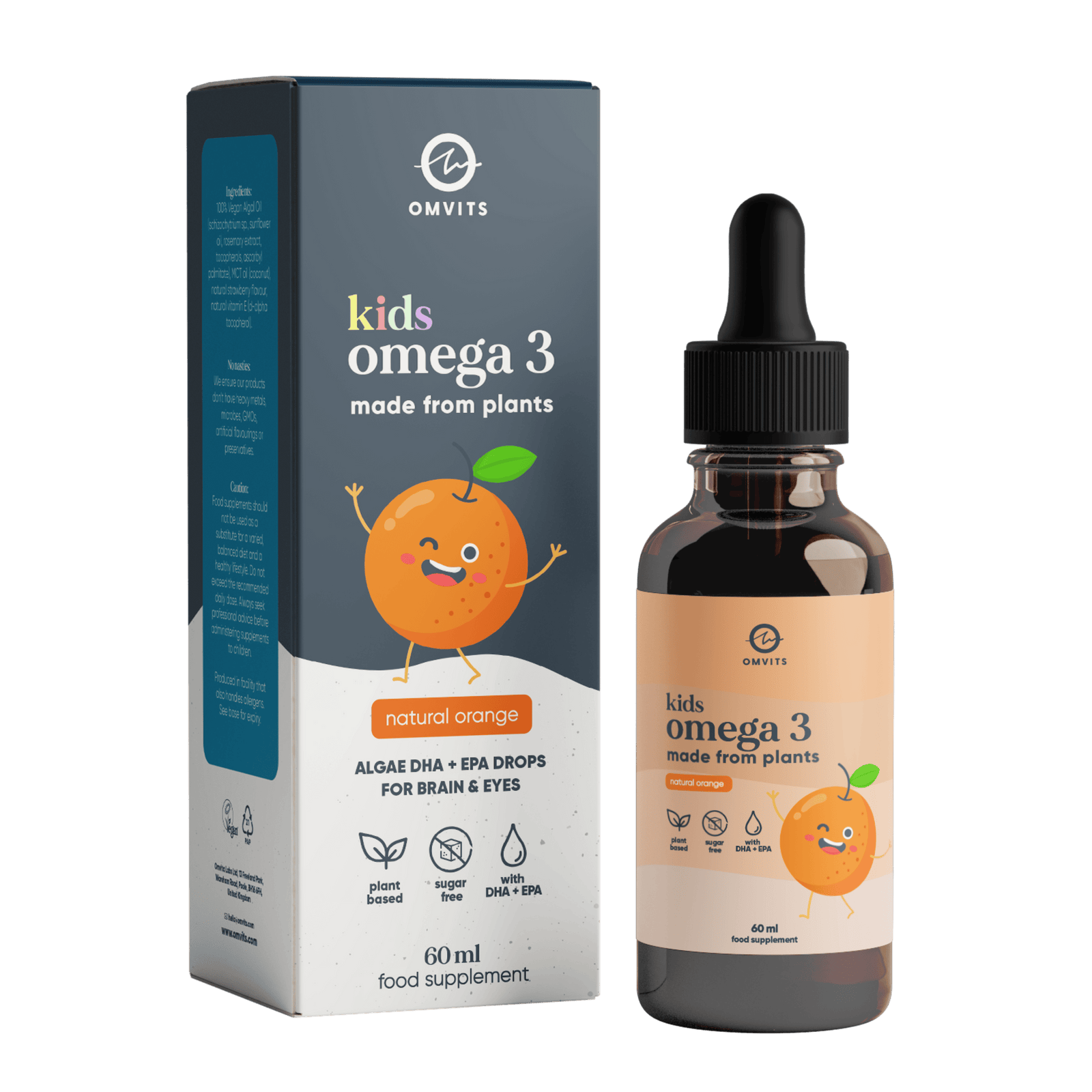








Kids Vegan Omega-3 DHA+EPA Drops
Who is it for?Choose your oldest child's age
How many children?
Choose your pack size
...
.........
product details
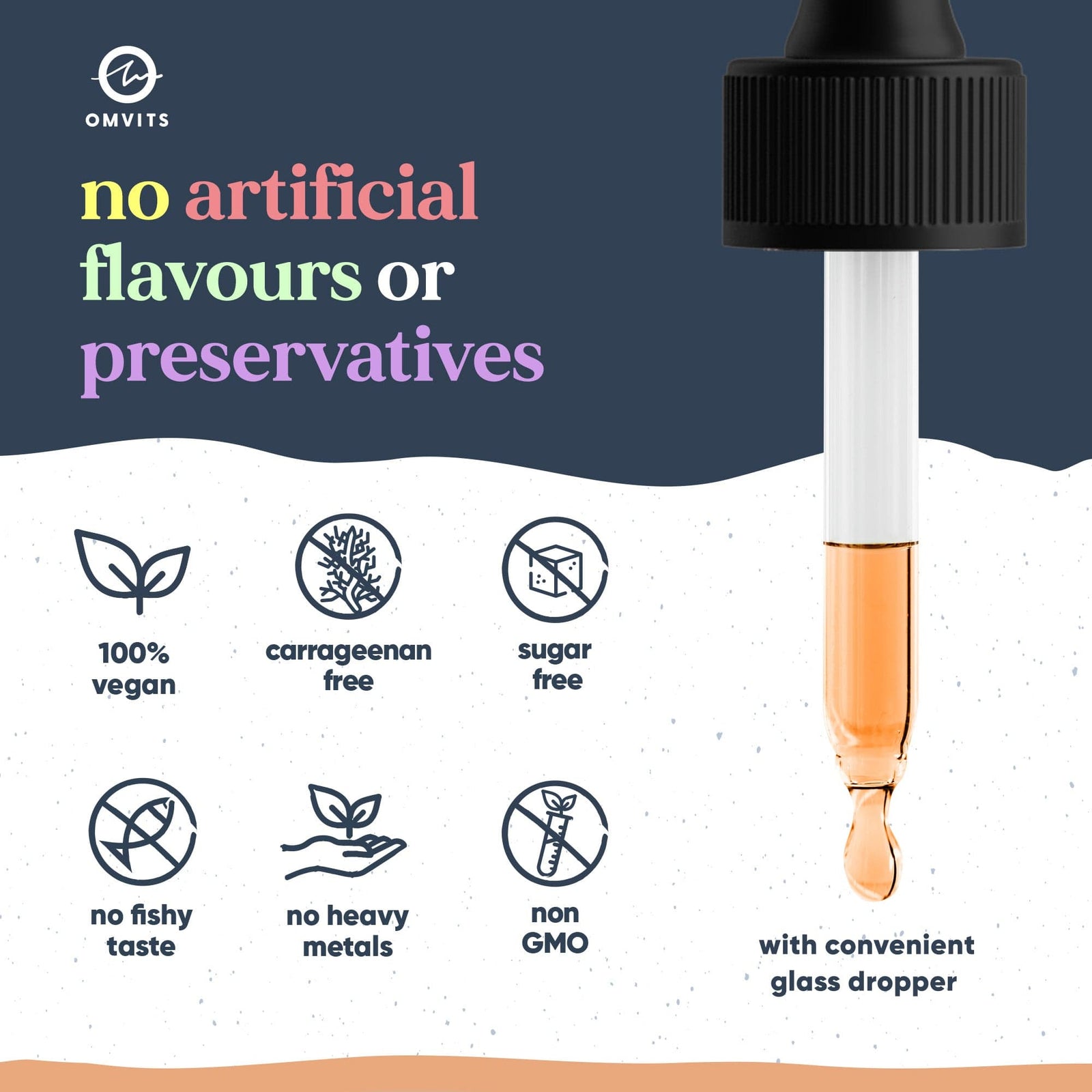
- 123 mg Omega-3 per 1 ml (including 67 mg DHA & 33 mg EPA)
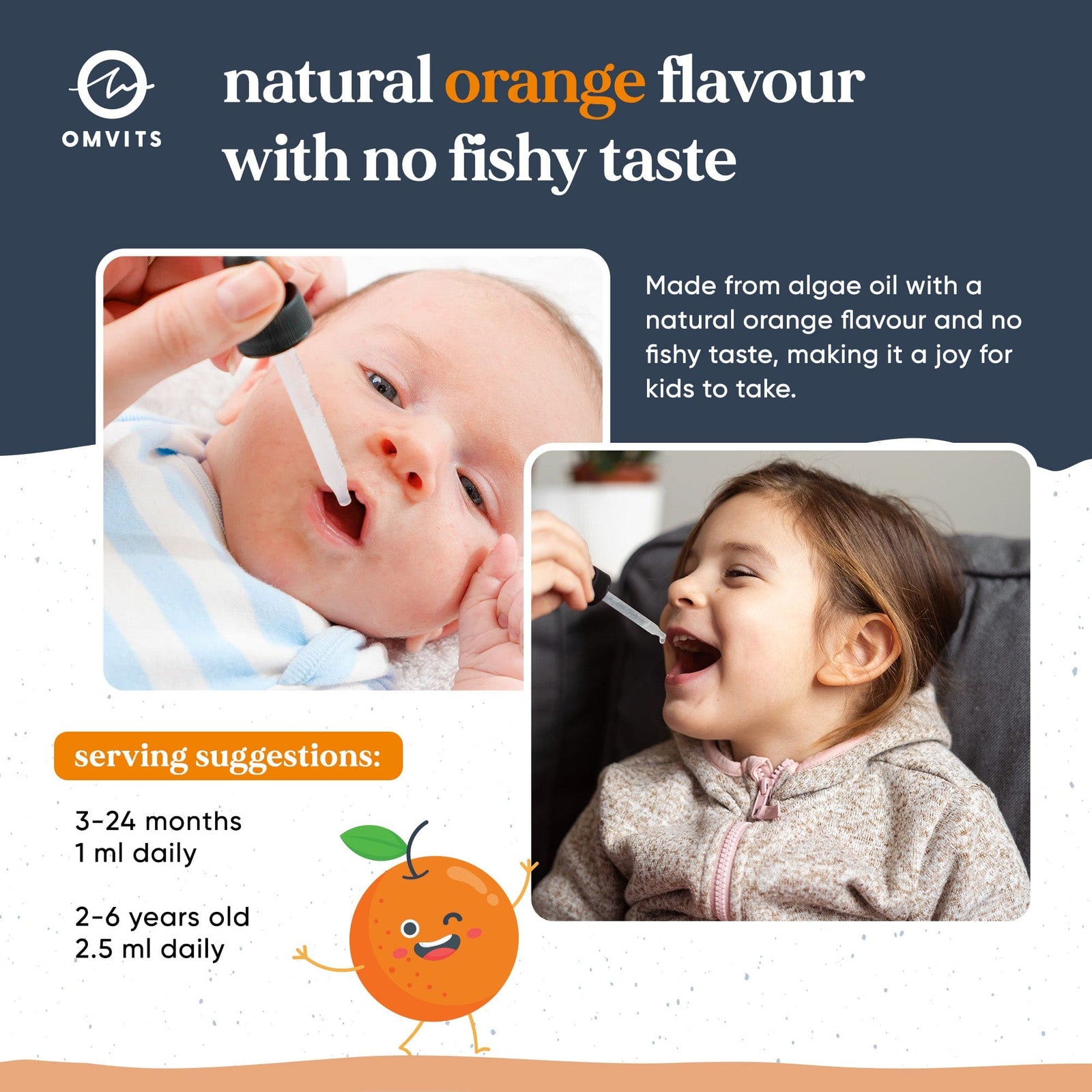
- Natural orange flavour
- Made from sustainably farmed algae
- Suitable for ages 3 months to 10 years
- Free from heavy metals, toxins & GMOs
- No fishy burps or aftertaste
ingredients
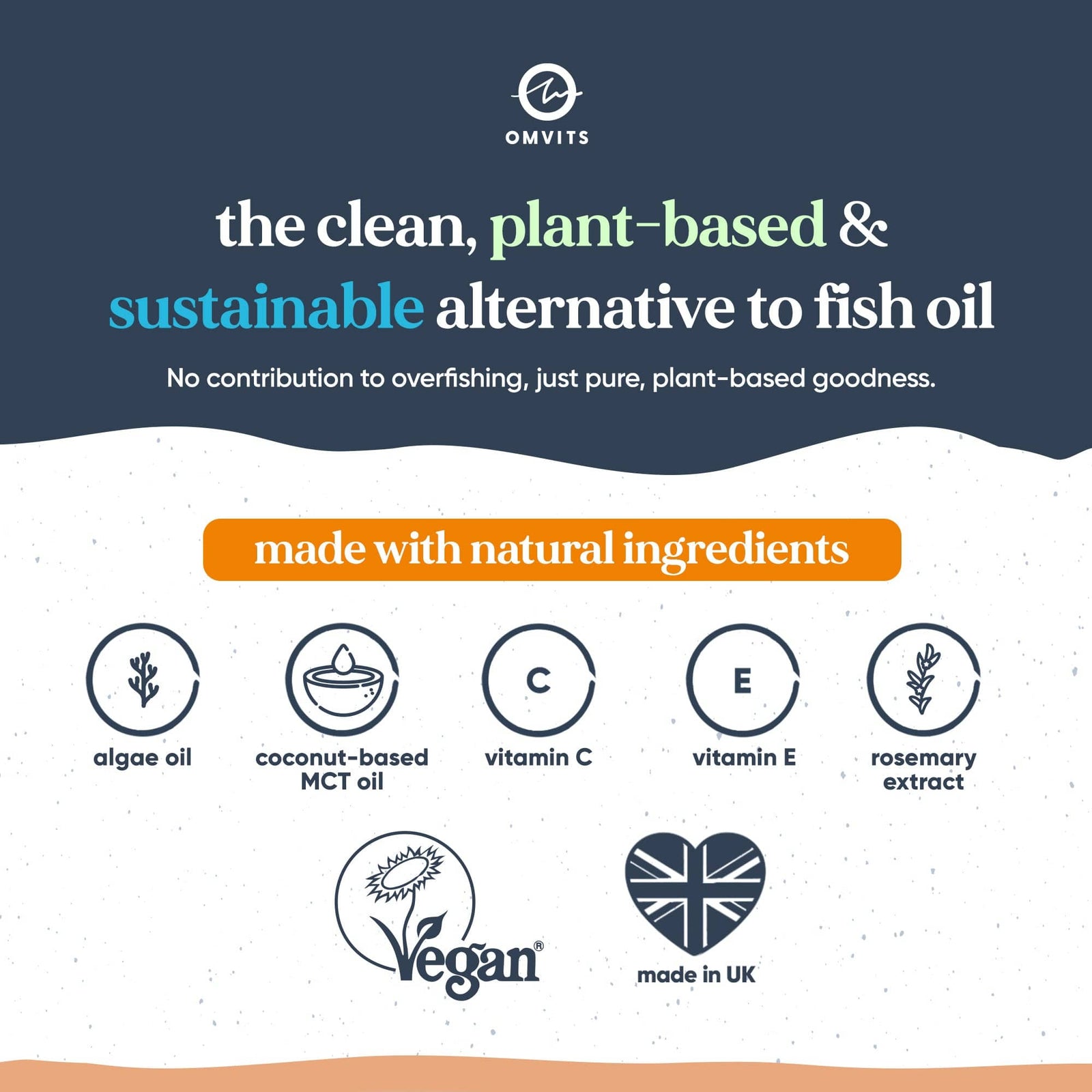
Ingredients: 100% Vegan Algal Oil (schizochytrium sp., sunflower oil, rosemary extract, tocopherols, ascorbyl palmitate), MCT oil (coconut), natural orange oil, natural vitamin E (d-alpha tocopherol).
What these ingredients do:
Algal oil: The omega-3 rich oil which is extracted from algae using a solvent-free process. Schizochytrium is the name of the strain of algae.
MCT oil: An oil derived from coconut containing healthy Medium Chain Triglyceride (MCT) fats.
Ascorbyl palmitate & D-alpha tocopherol: Forms of vitamins C and E, which acts as antioxidants to protect the fatty acids, keep the oil fresh and stop it from going rancid.
directions
Shake well. Use the dropper to measure the recommended amount and place on a spoon or mix into food. Consume straight away, after a meal.
3–24 months: 1 ml daily
3–10 years: 2.5 ml daily
Keep the dropper clean — water or food contact can spoil the oil. Do not exceed the recommended daily intake without consulting a healthcare professional. Never place the glass dropper directly in a child’s mouth.
Storage
Before opening, store at room temperature in a cool, dry place away from direct sunlight. Once opened, refrigerate and use within 2 months. Do not use if seal is broken. Keep out of reach of young children.
Caution: Food supplements should not be used as a substitute for a varied diet. Always seek professional advice before taking any dietary supplements, particularly if pregnant, breastfeeding or under medical supervision.
health benefits
what every daily drop supports
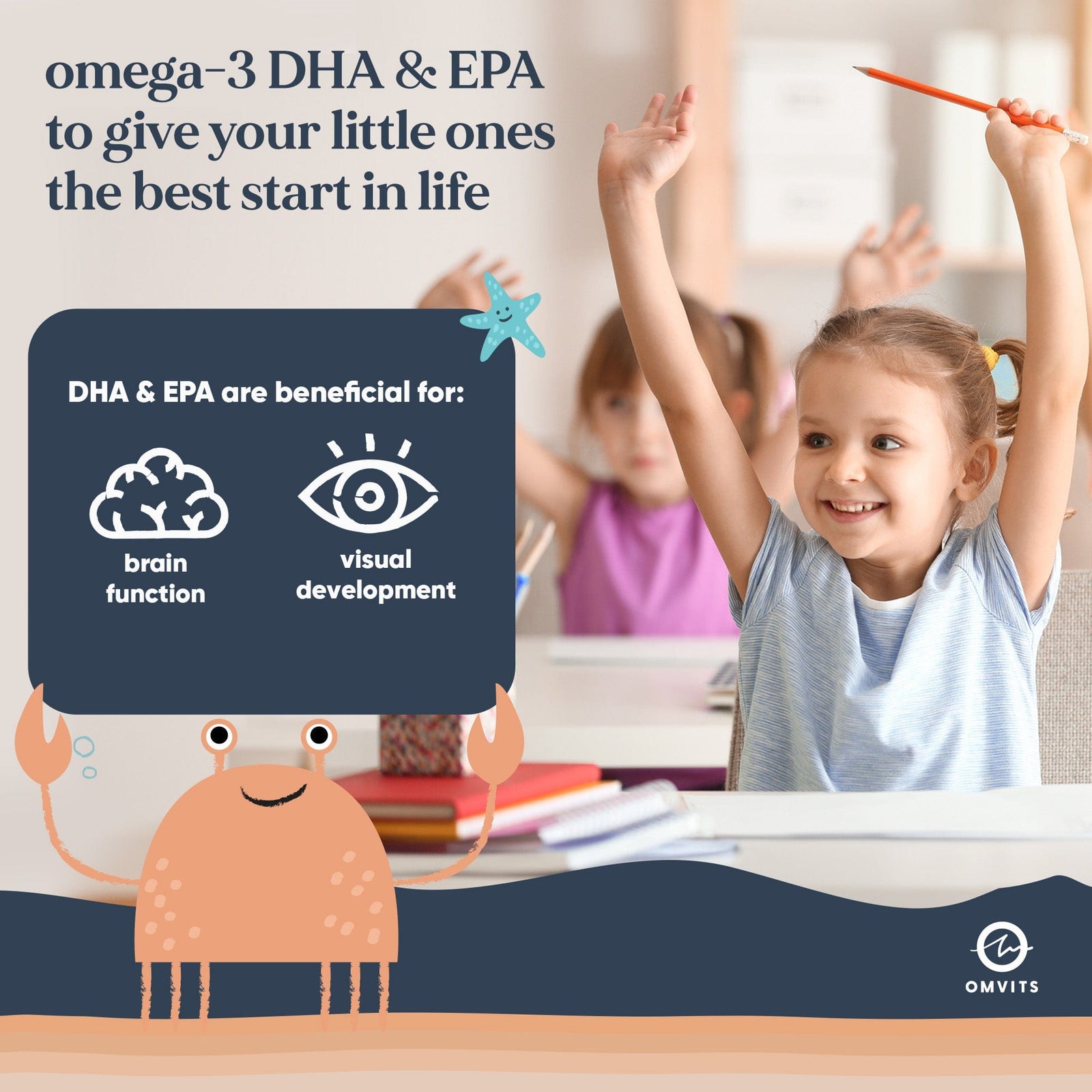
Algae is where fish get their omega-3 — ours skips the fish entirely. Three benefits your child gets from every daily drop.

brain
Omega-3 makes up 35% of the total fat in the brain and helps to supports normal brain function*. Studies have shown Omega-3 intake to be linked to...
- Improved overall brain health
- Improved symptoms of ADHD
- Improved memory, concentration and learning ability
- Improved mood and prevention of depression
- Improved sleep
- Optimal immune system function
*beneficial effect is obtained with a daily intake of 100 mg of Omega-3

eyes
DHA makes up 93% of the Omega-3 in the retina and can help to...
- Contribute to the normal visual development of infants up to 12 months of age*
- Prevent dry eyes and redness
*beneficial effect is obtained with a daily intake of 100 mg of Omega-3

other
Omega-3 may offer many other health benefits for children including ...
- Contributing to a strong central nervous system
- Healthy hair, skin and nails
- Prevention and reduced symptoms of Asthma
- Helping to balance the negative effects of too much Omega-6 in modern diets
- Helping to improve length and quality of sleep in children and adults
the honest timeline
what the first three months look like
Written for the parent doing the actual dosing. Mostly, this is a story about routine.
Week 1
Mostly about the routine
Orange, not fish. The first week is about finding a time that sticks, not about any effect.
Weeks 2–6
A structural fat, stored
DHA gets built into growing tissue rather than used up, so steady intake matters more than a big dose.
Weeks 6–12
The level rises gradually
Omega-3 climbs across a red-blood-cell cycle of several months. However you measure it, this is a slow build.
Ongoing
Across the growing years
The brain grows faster before five than at any later point. Ordinary, consistent intake is the whole idea.
-
Week 1
Mostly about the routine
Orange, not fish. The first week is about finding a time that sticks, not about any effect.
-
Weeks 2–6
A structural fat, stored
DHA gets built into growing tissue rather than used up, so steady intake matters more than a big dose.
-
Weeks 6–12
The level rises gradually
Omega-3 climbs across a red-blood-cell cycle of several months. However you measure it, this is a slow build.
-
Ongoing
Across the growing years
The brain grows faster before five than at any later point. Ordinary, consistent intake is the whole idea.
feeding growing minds
omega-3 for brain health
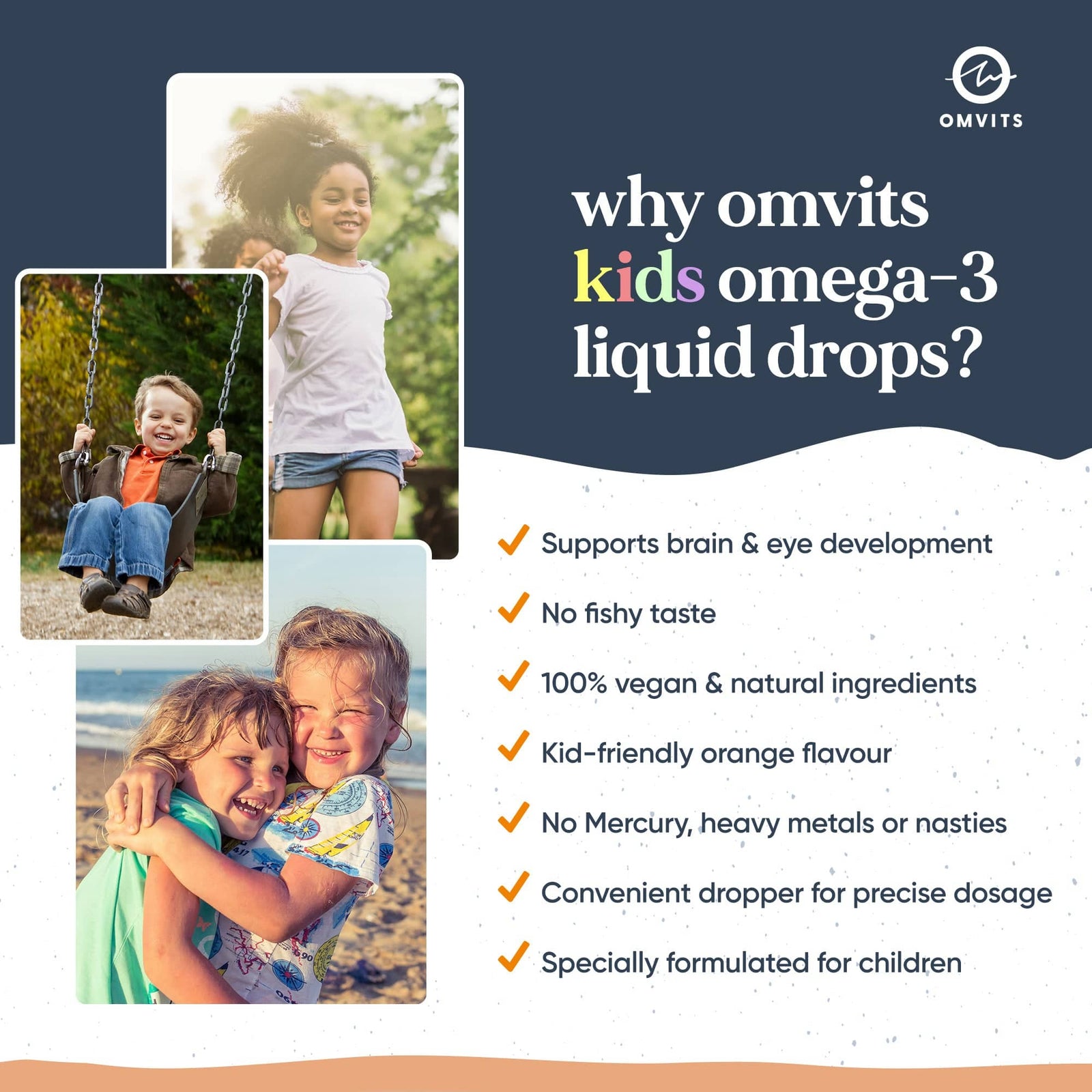
- sugar free
- no fishy taste
- supports brain and eye development
- no heavy metals
- batch tested
- GMP certified

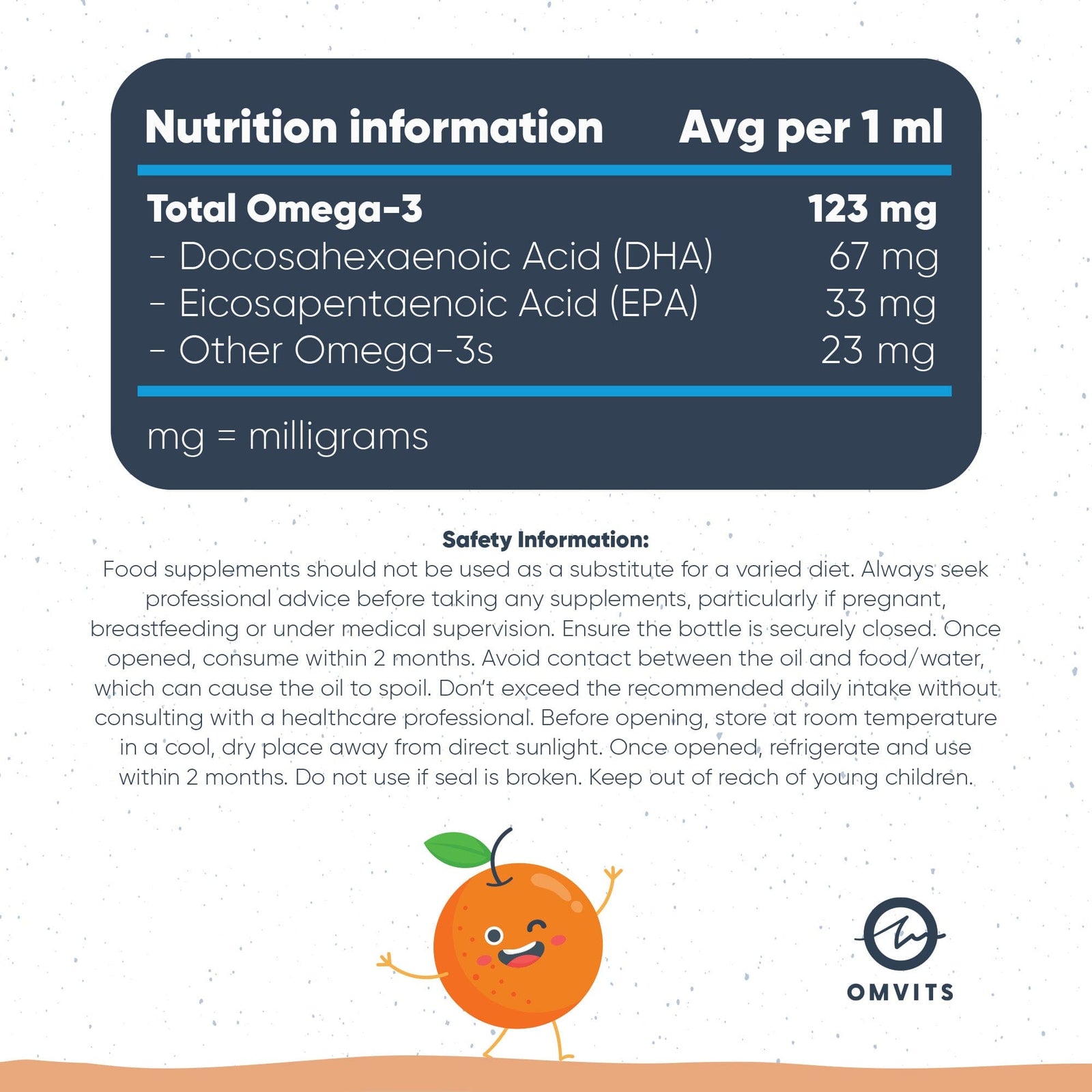
nutrition information
what's in every millilitre
nutrition information
active nutrient |
avg per 1ml |
| Total Omega-3 | 123 mg |
| Docosahexaenoic Acid (DHA) | 67 mg |
| Eicosapentaenoic Acid (EPA) | 33 mg |
| Other Omega-3s* | 23 mg |
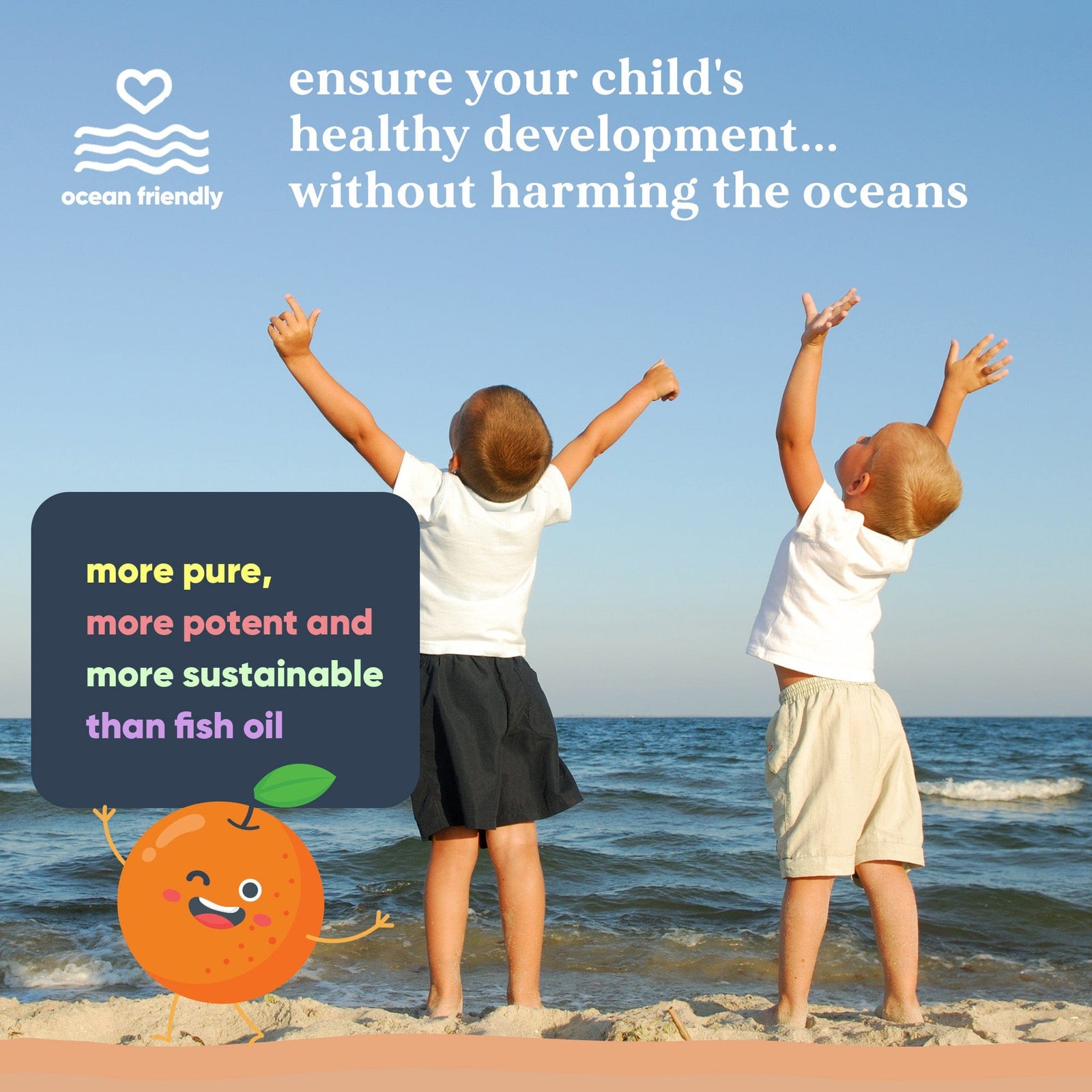
kind to your little ones. kind to the planet.

fish free

ocean friendly

gmo free


natural ingredients

sugar free

heavy metal free
the comparison
algae oil vs fish oil vs flaxseed oil
| algae oil | fish oil | flaxseed oil | |
|---|---|---|---|
| Source of Omega-3 DHA & EPA | |||
| Suitable for vegetarians and vegans | |||
| No fishy burps or aftertaste | |||
| Contaminant and toxin free | |||
| Heavy metal free | |||
| Sustainable & environmentally-friendly | |||
| Suitable for pregnant women |
where it comes from
omega-3 from the original source
Fish do not make omega-3. It travels up the food chain from the algae that does. We go straight to the original, natural source.
algae oil5steps
- algaeSchizochytrium, grown in purified water
- fermentedfed nutrients medium until the cells fill with oil
- oil extractedharvested, pressed and refined
- blendedantioxidants and natural orange flavour blended in
- omvits kids omega-3standardised to a set dha:epa ratio
fish oil7steps
- algaethe same original source
- eaten by krill and planktonthe first step up the food chain
- eaten by fishalong with heavy metals and contaminants
- caught at sealargely wild catch, at industrial scale
- cooked and pressedsteamed to separate the oil from the solids
- refineddegummed, bleached, deodorised, then distilled
- fish oil dropscan still contain contaminants and often smells fishy
the bigger picture
25% of the world's entire fish catch goes towards producing omega-3.
The world's oceans can't keep up with the demand for cheap omega-3.
Every year, an estimated 300,000 whales, dolphins and porpoises are caught as bycatch in fishing nets. Algae is farmed rather than fished, so it doesn't have that problem.
learn morepound for pound, algae contains around twenty times the omega-3 of fish.

frequently asked questions
Please contact our Customer Support Team at hello@omvits.com for more information!
Kids Omega-3
Delivery & Returns
Subscriptions
My child isn't vegan or vegetarian. Is Omvits Omega-3 right for them?
Algae is a far superior choice than fish oil as a source of Omega-3 for children for two main reasons:
1) Taste & smell
2) No risk of heavy metals
Also, anybody who is concerned about the future of our planet should be concerned about the impact of the commercial fishing industry on the oceans.
With our oceans currently being heavily overfished, combined with the world's growing population, fish is simply not a sustainable way to meeting the world's growing demand for omega-3.
Algae is the omega-3 source of the future, whether you're veggie, vegan or neither!
Is Omvits Omega-3 allergen free?
Our Omega-3 is not made using any of most common allergens including fish, wheat, gluten, crustaceans, eggs, nuts, soya, dairy and artificial flavourings and preservatives.
However our products are made in a facility that may handle these allergens.
How is your algae extracted? Is there any use of Hexane or any other solvents in the extraction process?
Schizochytrium is a strain of algae found in coastal marine habitats and is naturally rich in Omega-3 DHA.
These algae are cultivated in a sterilised environment and then fermented in vats of purified water.
This not only prevents impacts to the natural ecosystem but also avoids the risk of any pollutants or contaminants from sea water.
During this process, the algae synthesise the DHA-rich oil which is then extracted using a solvent-free process.
The extracted oil is then treated and mixed with Vitamins E and C to prevent oxidation, after which it is ready to be mixed with MCT oil and then flavoured.
Obviously, there's a lot more to the process, but this provides a basic overview.
What is the Recommended Daily Allowance (RDA) for Omega-3?
There is no official standard for how much Omega-3 we should get each day. However, most health organisations agree that 250–500 mg per day is sufficient to maintain good overall health for adults.
One such organisation is the European Food Safety Authority (EFSA), who recommend the following minimum for children:
3-24 months:
- 100 mg DHA per day
2-18 years:
- 250 mg DHA or EPA per day
Why is Omvits Omega-3 better than fish oil?
There is no doubt that fish oil has some health benefits, however, there are also well documented downsides. If you are considering buying a fish oil, here are a few things to bear in mind:
1) Many fish oils are cheap, but you should be aware of what you are paying for. These cheap fish oils are regularly of poor quality and contain relatively small dosages of DHA/EPA. They often have not been properly processed to remove heavy metals and toxins. You'll also find that they have a very strong "fishy" smell or taste. This is because the oil is starting to go rancid as the polyunsaturated fats start to go bad.
2) If you saw how fish oil is made, you probably wouldn't want to give it to your children! Fish scraps are mashed, steamed and squeezed to get the oil out before it goes through further processing.
3) Our seas are more polluted now than they have ever been. Fish often contain harmful levels of contaminants and toxins including heavy metals, PCBs and dioxins. High levels of these substances in your diet can have serious long-term health consequences.
4) There are major concerns about the impact of overfishing on world fish stocks. According to the United Nations, world fish stocks are expected to collapse by the year 2048 if current practices continue. Algae on the other hand, is fully sustainable and a great alternative to fish oil for vegans and non-vegans alike.
5) Fish is a highly inefficient way of getting Omega-3 in comparison to algae. Pound-for-pound, algae contains approximately twenty times the amount of Omega-3 as fish. In other words, for every 20 kilograms of fish taken out of the ocean, you'd only need 1 kilogram of algae to produce the same amount of Omega-3!
6) Fish oil tastes awful and is not something most children find palatable.
How do I know this algae is free from Mercury and other heavy metals which also contaminate fish?
Our algae is grown in a closed system in purified water and not taken from the sea.
Not only does this mean that the algae is completely free of ocean-borne contaminants, it also doesn't disrupt the delicate marine eco-system.
I have a question which is not listed here. How can I get in touch?
If you have a question, we'd love to hear from you! You can contact us by clicking here.
Alternatively, you can email us at hello@omvits.com
I placed an order where is it?
UK orders are typically delivered within 2–4 working days.
You will receive a tracking link once your order has been dispatched so you can follow your delivery.
Do you offer free delivery?
Yes. Free UK delivery is included on all orders over £25.
Shipping costs for other orders are calculated at checkout.
Do you ship internationally?
Yes, however delivery charges and duties may apply.
Can I return my order?
Every order is protected by our 100-Day Happiness Guarantee.
If you’re not satisfied for any reason, simply contact our support team within 100 days of receiving your order and return the remaining product. Once your return is received and inspected, we’ll issue a refund to your original payment method.
If your order included free gifts or promotional items, these should also be returned. If promotional items are not returned, their value may be deducted from the refund amount.
Please refer to our return policy for more information.
How does the subscription work?
When you choose a subscription, your order is delivered automatically at the frequency you choose, so you never run out.
Subscription orders save you money on every delivery.
We'll contact you a few days before each dispatch to give you time to make any adjustments.
Can I cancel my subscription?
Yes. You can cancel your subscription at any time through your customer account.
There are no long-term commitments.
Can I skip a delivery?
Yes. If you still have product remaining, you can skip or delay your next delivery directly from your account dashboard.
When will I be charged?
You will only be charged when your next delivery is scheduled to ship.
You will receive a reminder email before your subscription renews.
Can I change my delivery frequency?
Yes. You can update your delivery schedule at any time from your account settings.
Start your routine today
 100-day Happiness Guarantee
 100-day Happiness Guarantee
